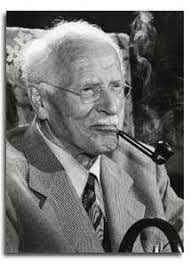
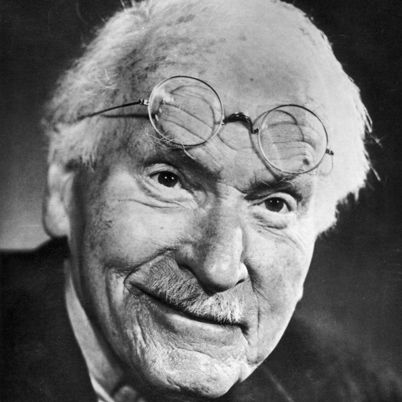
Shadow Work: Carl Jung’s Path to Inner Healing and Self-Acceptance
Introduction
Shadow work is a powerful process of psychological and emotional healing rooted in the teachings of Carl Jung. According to Jung, every person carries a “shadow”, the parts of ourselves we repress or deny. These disowned traits often include anger, jealousy, pride, or vulnerability. When ignored, they manifest as anxiety, projection, or even self-sabotage.
Instead of burying these uncomfortable feelings, shadow work invites us to bring them into conscious awareness, where healing and transformation can begin.
What Is the Shadow?
The shadow, in Jungian psychology, represents the unconscious parts of our personality that we resist acknowledging. It’s not inherently bad; in fact, it includes traits that were once necessary for survival but later deemed “unacceptable” by society or our upbringing.
As Carl Jung said: “Until you make the unconscious conscious, it will direct your life and you will call it fate.”
How to Begin Shadow Work
Integrating your shadow takes time and courage. Here are three practical ways to get started:
🔍 Identify Emotional Triggers
Pay attention to intense emotional responses. If someone irritates or upsets you disproportionately, it might reflect something unresolved in your own psyche.
📓 Shadow Work Journaling Prompts
Use questions like:
- “When was the last time I overreacted, and why?”
- “What parts of myself do I judge in others?”
- “What am I ashamed to admit about myself?”
🎨 Express the Shadow Creatively
Paint, dance, write poetry, or use clay, creative outlets help bypass the analytical mind and give voice to suppressed emotions in a safe way.
Healing Through Integration
Shadow work does not mean giving in to your darker impulses. It means recognising them, understanding their origin, and learning from them. As you integrate your shadow, you’ll likely experience:
- Increased Self-Acceptance:
You stop fighting parts of yourself and develop greater compassion. - More Balanced Reactions:
You no longer feel hijacked by unconscious fears or emotions. - Enhanced Creativity:
The energy once used to suppress emotions now fuels self-expression and innovation.
Real-World Examples of Shadow Work
Many therapists and coaches now incorporate shadow work in trauma recovery, inner child healing, and even performance coaching. Celebrities and authors like Russell Brand and Debbie Ford have spoken publicly about the life-changing effects of confronting their inner darkness.
Explore More
- The Shadow Effect by Debbie Ford – Oprah.com
- Carl Jung’s Concept of the Shadow – Verywell Mind
- How to Do Shadow Work
Conclusion
Shadow work is not easy, but it is deeply rewarding. By turning toward your shadow rather than away from it, you uncover hidden strength, clarity, and wholeness. Start slowly, be patient with yourself, and remember, your shadow holds the key to your transformation.hining light on your unconscious, you unlock hidden strengths and cultivate inner wholeness. Start small, stay patient, and honor every aspect of your psyche.